I’m Anzus, and I work in Community and Growth at Gem Wallet. Following the suggestion to present the project here, I wanted to share more about what we are building.
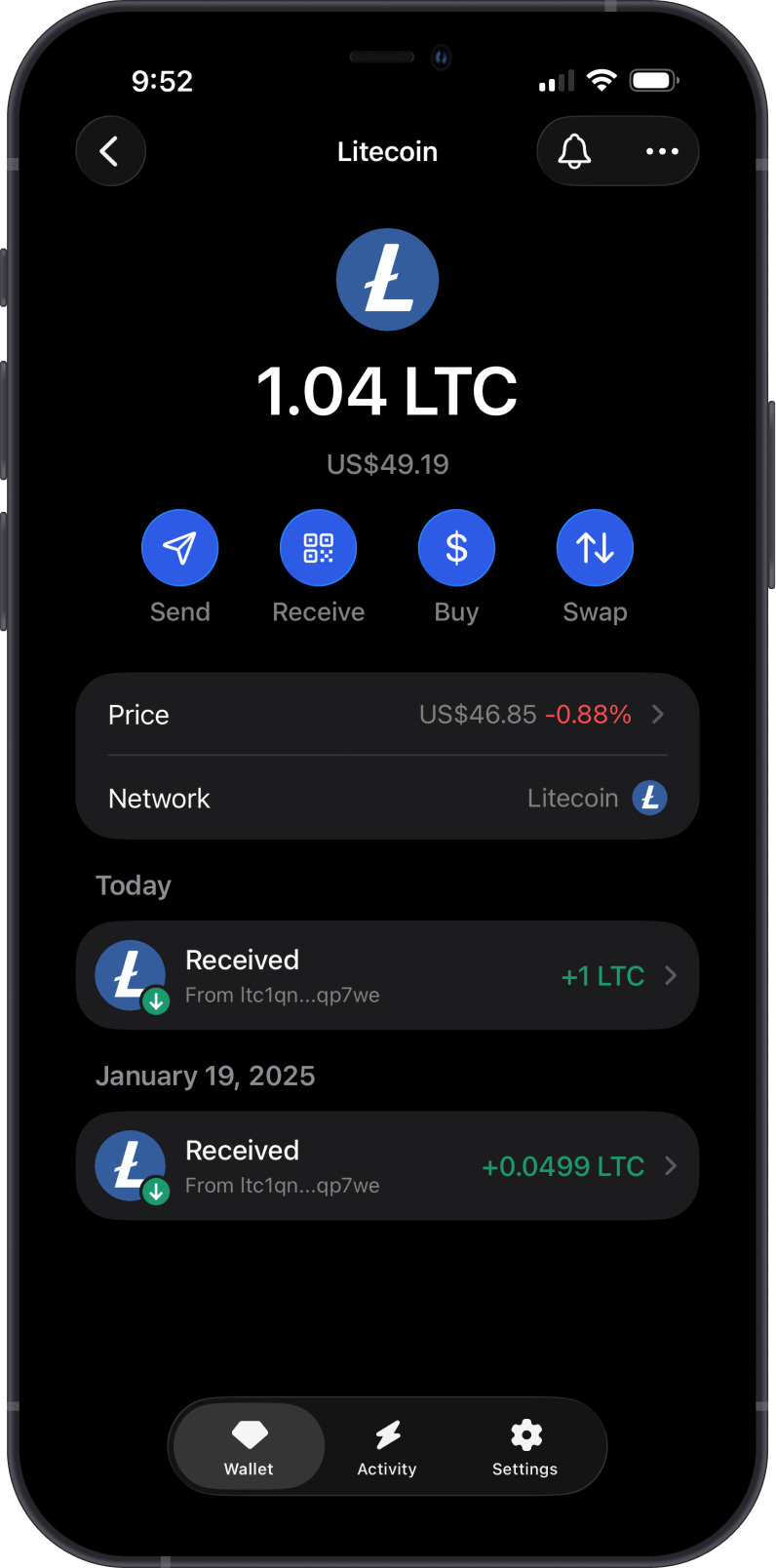
Gem Wallet is an open-source, self-custody mobile wallet available for iOS and Android. Users control their own keys, and the wallet supports Litecoin alongside other blockchain networks.
For transparency, Gem Wallet does not currently support MWEB. We would like to understand how important MWEB is to Litecoin users and which MWEB functions they would consider essential in a mobile wallet.
I’d appreciate feedback from the community:
What functionality do you consider essential in a mobile Litecoin wallet?
How important is MWEB in your everyday use?
Which Litecoin transaction or fee-management features are commonly missing from multichain wallets?
What would make you comfortable trying a newer open-source wallet?
I’m here primarily to listen and relay useful feedback to our development team. I’ll always be transparent when speaking in connection with Gem Wallet.
Thanks, and I look forward to hearing your thoughts.
Thank you to the LitecoinTalk community for recognizing me as the new forum user of the month. I joined primarily to learn from Litecoin users, so I appreciate the welcome and the discussions so far.
I’d like to return to one practical question: for everyday Litecoin use on mobile, which improvement would matter most to you?
Clearer fees and confirmation estimates
Better address and QR-code handling
More transparent buying and swap routes
Simpler wallet-backup guidance
MWEB support
Something else
Specific examples of what existing wallets handle well—or poorly—would be especially helpful.
less hassle with passwords and stuff.
Almost every wallet FORCES you to setup a pin, write down seed, etc.
IMHO most mobile wallets should be considered as pocket change wallets.
So, just create a seed underneeth and don’t bother me with a password.
My mobile phone already is locked with a password/biometrics/sandbox, so why double up.
At most you could let users export the wallet.
Thanks, this is helpful. The distinction between a pocket-change wallet and one intended for larger, long-term holdings makes sense.
This also aligns with an open item on our public roadmap for one-click onboarding—creating a wallet in only a few taps using the device’s secure keychain or equivalent. It hasn’t been implemented yet, but your feedback provides useful context for it.
Would a device-protected quick setup, optional app PIN, and a wallet-backup reminder later address most of the friction for you?
For a reason, if you trust a wallet with your money you have to takle care of your security, You have to take responsibility. A wallet is a good place where to start doing just that.
For me it would.
Just like few years ago I would walk around with a wallet and a padlock.
No, I was aware what was in my wallet and you lost it when you lost your wallet.
There’s always a trade off between convenience and security.
But you should not put your life savings in a hot wallet and you should not carry it around risking a wrench attack. No password can protect you from that.
So, IMHO, there’s a place for pocket change wallets without much hassle. There’s already plenty of them forcing you to pin, write down, etc.
Just a wallet, with an mweb reveive address and you can spend it.
I recently looked into it myself to build it but I have no time yet.
OTOH, IMHO, you cannot both advertise hodl and encourage people to spend coins.
So most people put coin on the wallet and keep refreshing to see the fiat amount go up.
So even better would be to not show the fiat amount altogether. If people want pay with litecoin, the amount should be advertised on the site where they want to buy a good or service.
That store could show fiat value as well, that makes sense maybe.
Again, you can not have people to encourage spending if they have dollar signs in their eyes.
You either want to hold it as an investment and then spending doesn’t make sense.
I don’t know, I’m rambling a bit and go offtopic maybe.
Maybe it’s helpful to you.
This is helpful, thank you. I’m taking three distinct points from it:
A low-friction setup for a wallet intended for everyday spending
An MWEB receive-and-spend experience that works without unnecessary complexity
Less emphasis on fiat portfolio value, which may encourage holding rather than actual payment use
The fiat-display point is particularly interesting. Instead of removing fiat values completely, would an optional “payments mode” make sense—showing the LTC balance prominently while hiding portfolio-value changes, but still displaying fiat equivalents when preparing a payment?
I’ll relay the MWEB address and pocket-change-wallet use case as specific product feedback as well.
Quick follow-up: if you use Litecoin on mobile, what is one small thing that makes a wallet easier—or more annoying—to use day to day? Clear fees, sending and receiving, finding transaction history, or anything else?